

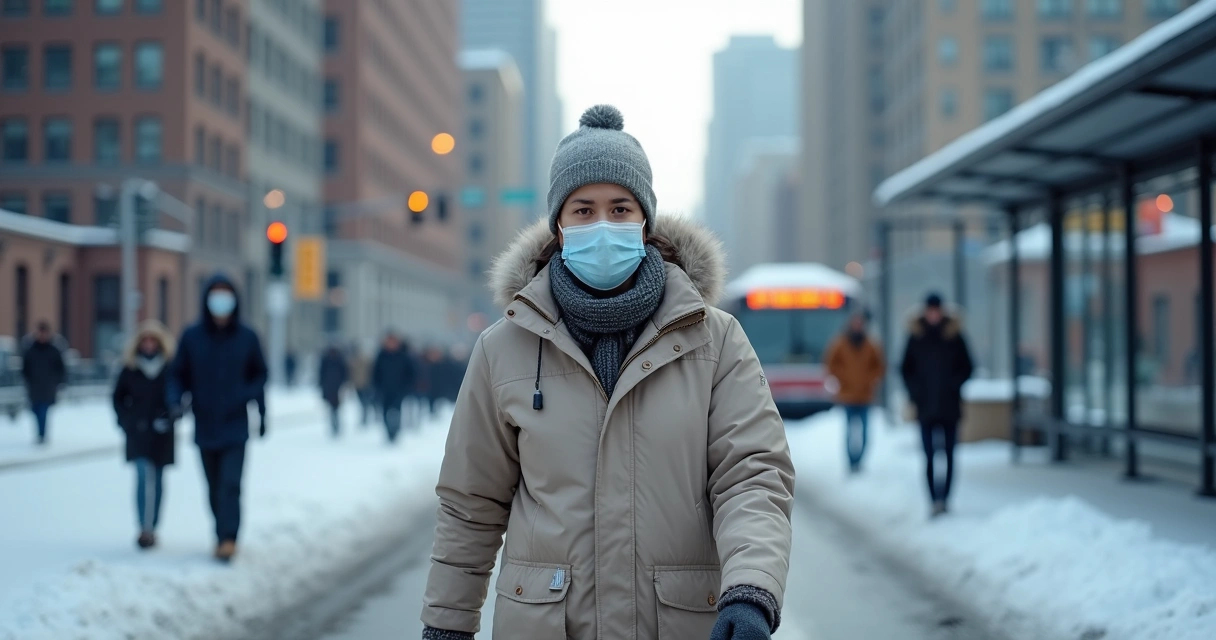
When the temperature drops and the days get shorter, I notice more than just chilly mornings and frozen car windows. Cold weather can influence my body and mind in surprising ways. Drawing on my years writing about health and wellness, I’ve learned that understanding these effects helps me stay prepared and healthy through winter. At BK Medical Clinic, I see firsthand how proactive care makes a real difference. Here, I’ll share what I’ve learned about the specific ways cold weather impacts our health—and how to stay safe.
1. Cold air and your respiratory system
When I step out into icy air, I often feel it in my lungs. Breathing cold, dry air can irritate the airways. In my research, I found that this can make people more prone to coughs, bronchitis, and even asthma symptoms. Our noses try to warm the air as we breathe, but during winter, it’s not always enough, especially during exercise. Cold air can trigger asthma attacks and cause breathing discomfort, even in people without a respiratory diagnosis.
To protect my lungs, I find it helpful to wear a scarf or mask over my nose and mouth outdoors. This warms and humidifies the air. Keeping indoor air moist by using a humidifier also eases irritation.
2. Increased risk of infections
As temperatures fall, flu and colds tend to rise. I used to assume we catch more viruses simply because it’s cold out, but what actually happens is that people gather indoors, making it easier for viruses to spread. The dry air in heated rooms can also dry out the mucous membranes in the nose, reducing natural defenses.
Protect your immune system—wash your hands often and avoid touching your face.
To boost my immunity, I eat well, stay hydrated, and get enough sleep. BK Medical Clinic offers IV vitamin therapies, which provide an extra boost for the immune system during the winter months. If you’re interested in more ways to take care of your health this season, I suggest browsing the advice at this collection of health tips on our site.
3. Dry skin and flare-ups of skin conditions
I always notice my skin feeling dry and tight as soon as the cold weather arrives. Winter air pulls moisture out of the skin, and indoor heating makes it worse. I’ve seen an increase in dry patches, chapped lips, eczema, and even psoriasis flare-ups during winter in people of all ages.
Moisturizing several times a day, especially after washing hands or showering, can help prevent dry skin and related discomfort. Look for ointments and creams, rather than lotions, and apply when your skin is slightly damp. At BK Medical Clinic, we often recommend treatments and self-care routines that protect your skin against winter’s harsh effects. For more self-care ideas, visit our dedicated section on self-care and wellness.
4. Seasonal mood changes (winter blues)
I have noticed my own mood feels lower during the cold, dark days of winter. Many others experience the same. Reduced sunlight can affect the body’s natural rhythms and lower serotonin levels, leading to feelings of sadness or fatigue—sometimes known as the “winter blues.” For some, it can develop into seasonal affective disorder (SAD).
Spending time outdoors when it’s sunny, and keeping rooms well-lit, usually helps my mood. Regular exercise, staying connected with loved ones, and practicing self-care also combat seasonal low moods. If you’d like more tips on mental well-being, the wellness section of our blog is full of helpful advice.
5. Cold stress and the cardiovascular system
I learned that cold weather causes blood vessels to narrow, making the heart work harder to move blood through the body. This increases blood pressure and the risk of heart-related problems, particularly for people with existing conditions. I find that even a short walk outdoors in freezing weather makes me more aware of my heart rate.
Wearing layered, warm clothing reduces the heart’s stress during outdoor activities. Avoid sudden physical exertion in very cold weather. If you have a chronic condition, checking in with a healthcare provider—like the experienced team at BK Medical Clinic—can help you develop a safe winter routine.
6. Higher risk of musculoskeletal injuries
Cold muscles and joints are stiffer and more prone to injuries. I’ve slipped on icy stairs or walked on frozen sidewalks and felt those aches in my legs and back. Shoveling snow or lifting anything heavy becomes much riskier. Older adults need to be extra cautious in icy conditions.
- Warm up with gentle movements before outdoor activity.
- Wear slip-resistant shoes with good traction.
- Take small, careful steps on icy surfaces.
Hydration also matters—even in winter. Sometimes, people forget to drink water, but it’s key for flexible joints. When I read this article about winter joint care, it helped me understand the value of both preparation and caution.
7. Hypothermia and frostbite: The serious risks
I admit, I thought hypothermia and frostbite only happened after hours stranded in the snow. But, they can develop much more quickly than I imagined. Hypothermia is when the body loses heat faster than it can produce, and frostbite is freezing of the skin or underlying tissues—often in the fingers, toes, nose, or ears.
Act fast—shivering, confusion, and numb fingers are warnings you should not ignore.
Dress in layers, stay dry, and don’t ignore early symptoms. Seek warm shelter if you start to feel unusually cold or notice tingling skin. These two dangers show why good winter habits matter. If you want to know more about how to recognize and respond to these risks, read this useful guide.
Staying safe and taking action for your well-being
Cold weather isn’t just an inconvenience—it puts demands on every system in the body. I believe that with knowledge, we can all build habits to protect our health through the winter months. From managing skin care and mental wellness to guarding against infection and injury, small steps go a long way. If you’d like personalized advice or a friendly place to ask questions about health and beauty this winter, BK Medical Clinic is here for you. Schedule an appointment today and discover how our combination of advanced care, attention, and wellness support can help you feel and look your best—even in the coldest season.
Frequently asked questions
What are common cold weather health risks?
Common health risks in cold weather include respiratory irritation, increased risk of viral infections such as colds and flu, dry skin, worsening joint pain, heart strain, accidental falls, hypothermia, and frostbite. Each risk affects different aspects of your health and may need tailored prevention steps.
How does cold affect the immune system?
Cold weather can weaken the immune system by making it harder for your body to fight off viruses, especially when you’re exposed to cold, dry air and spend more time indoors. The combination of being in close contact with others and reduced natural defenses in your nasal passages increases your chance of getting sick.
How can I prevent hypothermia?
Dress in several moisture-wicking layers, keep your clothing dry, and avoid staying in cold, windy, or wet conditions for extended periods. If you sense shivering or confusion, move indoors and warm up quickly. Recognizing and reacting to early symptoms of hypothermia can prevent severe complications.
What should I wear in cold weather?
Layering is the key. Wear a base layer to wick moisture, insulating layers for warmth, and an outer windproof/waterproof layer. Cover your head, hands, and feet, as they lose heat quickly. Scarves and masks also help protect your lungs.
When should I see a doctor for cold-related illness?
Seek medical care if you experience symptoms like chest pain, difficulty breathing, confusion, persistent numbness, or any serious injury. If you notice early signs of frostbite or hypothermia, get help as soon as possible to avoid long-lasting damage. The team at BK Medical Clinic can support you with both immediate and preventive care options during winter.